Zoe Bauer · 7 October 2026
Alternative Pathways to Sustainable Audience Building for Independent Web Initiatives
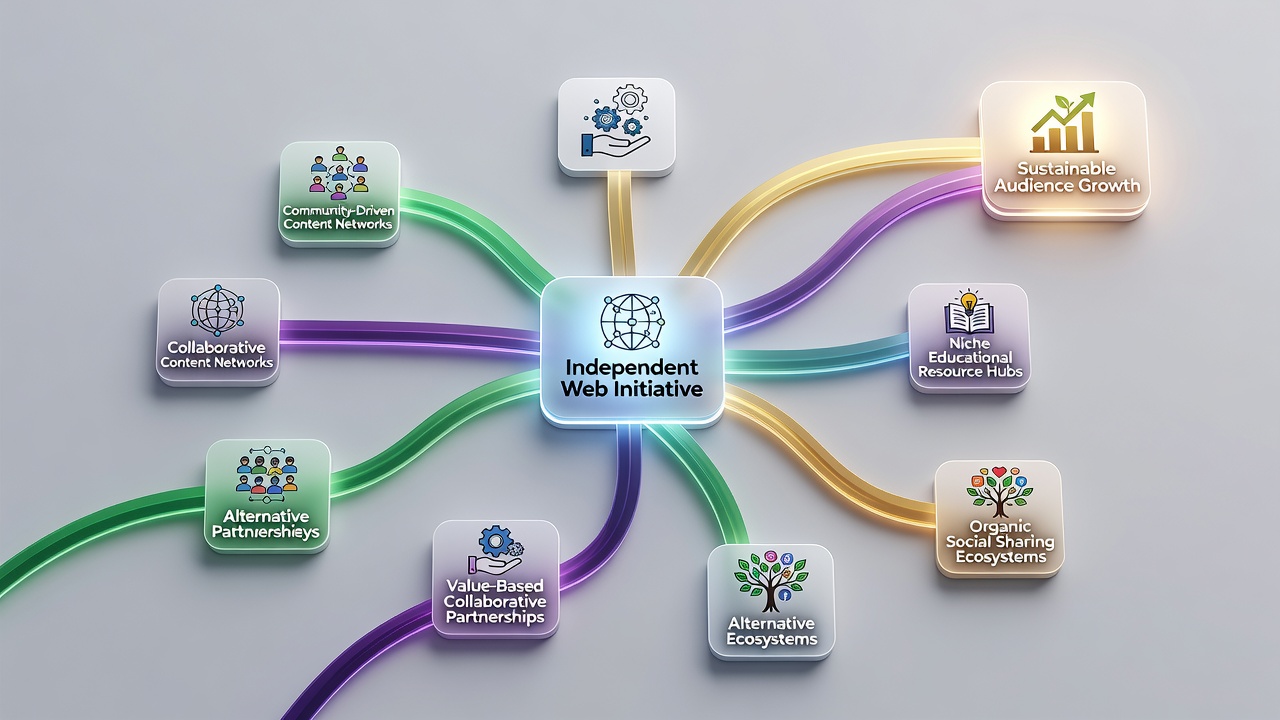
Independent web initiatives continue to explore methods that move beyond conventional search optimization and paid advertising to develop lasting audience connections, and data from multiple regions shows steady growth in these approaches through 2026. Researchers at academic institutions have documented how smaller sites achieve consistent visitor retention by focusing on direct relationship mechanisms that emphasize reciprocity and shared interests rather than algorithmic visibility alone.
Community Forums and Niche Discussion Platforms
Operators of standalone sites have turned to participation in specialized online forums and discussion boards where their content addresses specific user questions in real time, and studies from the Australian Bureau of Statistics indicate rising engagement levels for sites that maintain active presence in such spaces. These interactions create organic referral patterns as participants share links within their own networks, while October 2026 saw increased activity on regional platforms that prioritize threaded conversations over broadcast-style posting. People who manage independent projects report that consistent, non-promotional contributions build credibility that translates into repeat visits over months and years.
Direct Email and Newsletter Distribution
Email lists remain a primary channel for initiatives seeking predictable reach, with figures from Statistics Canada revealing that organizations maintaining subscriber bases experience lower fluctuation in monthly traffic compared to those relying solely on social feeds. Independent operators collect addresses through voluntary sign-ups on their own domains and deliver curated updates that match reader interests, which sustains open rates above industry averages according to multiple tracking services. This method allows direct control over message frequency and content depth, and many initiatives combine newsletters with occasional live sessions to strengthen ties between senders and recipients.
Cross-Site Collaborations and Content Exchanges
Partnerships between separate web projects have emerged as another route to audience expansion, where two or more sites co-host events, swap guest contributions, or link to each other's archives in contextually relevant sections. Data compiled by the Pew Research Center shows that such exchanges correlate with measurable increases in cross-referral traffic when the participating sites share overlapping thematic focus. In October 2026, several documented cases illustrated how these arrangements helped newer projects gain initial visibility without large marketing budgets, as each partner introduced its existing readers to the other's material through natural mentions rather than sponsored placements.
Offline Events and Hybrid Gatherings
Some initiatives extend their presence into physical or hybrid meetups that draw from online communities, and European Commission reports on digital participation note that such events often lead to higher long-term engagement metrics for associated websites. Organizers schedule workshops, reading groups, or skill-sharing sessions that align with the site's core topic, then direct attendees back to online resources for continued access to materials and discussions. These gatherings create personal connections that digital-only interactions rarely replicate, and follow-up content published afterward frequently receives elevated response rates from participants who attended in person.
RSS Feeds and Syndication Networks
Revival of RSS technology has provided another avenue for independent sites to distribute updates directly to subscribers who prefer aggregated readers over platform algorithms, with usage data indicating stable adoption among technically oriented audiences. Initiatives that maintain well-structured feeds allow readers to pull content into personal dashboards, which reduces dependence on any single intermediary service. Syndication agreements with compatible sites further amplify reach by placing full or partial articles in additional contexts, and operators track these placements through referral logs to identify productive partnerships over time.
Conclusion
Independent web initiatives continue to combine multiple alternative pathways to maintain sustainable audience growth, and evidence from government statistical agencies alongside academic sources demonstrates measurable outcomes when these methods receive consistent application. The patterns observed through October 2026 highlight the value of direct relationships, collaborative exchanges, and diversified distribution channels that operate outside dominant platform constraints. Those managing such projects track performance through their own analytics to refine approaches that align with their specific topics and communities.