
Zoe Bauer · 18 November 2026
The Ripple Effects of Search Engine Updates on Niche Site Sustainability
Search engine updates reshape how niche sites maintain visibility and audience reach over extended periods, with algorithm adjustments altering ranking signals that determine content distribution across independent platforms. Data from multiple monitoring services shows traffic fluctuations following major rollouts, where sites focused on specialized topics experience shifts in organic performance that affect revenue models reliant on consistent visitor flows. Researchers tracking these patterns note that updates often prioritize broader relevance metrics, which can compress opportunities for narrowly targeted content unless adjustments align with revised evaluation criteria.
Core Mechanics Behind Algorithm Adjustments
Search engines refine their systems through iterative releases that incorporate new data processing techniques, machine learning refinements, and expanded evaluation of user intent signals. These modifications evaluate content quality indicators such as topical depth, source authority, and engagement duration while adjusting how niche material competes against broader publications. According to reports from the OECD digital economy analysis, platforms in various regions adapt their frameworks to handle increasing volumes of specialized online material, leading to measurable changes in how smaller operators sustain positions within search results. Observers tracking these developments find that updates frequently target manipulation patterns, which forces independent sites to reassess content creation pipelines that previously supported steady growth trajectories.
November 2026 saw several engines deploy coordinated refinements focused on content freshness and cross-device consistency, producing documented variations in referral data for sites operating in areas like hobbyist communities and professional knowledge bases. Those monitoring performance metrics recorded initial volatility followed by stabilization phases, where operators who recalibrated around updated parameters retained portions of their established reach while others encountered prolonged declines.
Traffic Distribution and Revenue Implications
Changes in ranking formulas directly influence referral volumes that niche sites depend upon for advertising partnerships, subscription conversions, and affiliate arrangements. Quantitative reviews of post-update periods reveal clusters of sites losing between 20 and 40 percent of previous monthly sessions within weeks of implementation, particularly when material lacks alignment with new emphasis on entity recognition and contextual linkage. Industry analyses indicate that diversified traffic sources become essential once primary search channels contract, prompting operators to explore email lists, community forums, and direct navigation pathways that reduce single-point dependency.
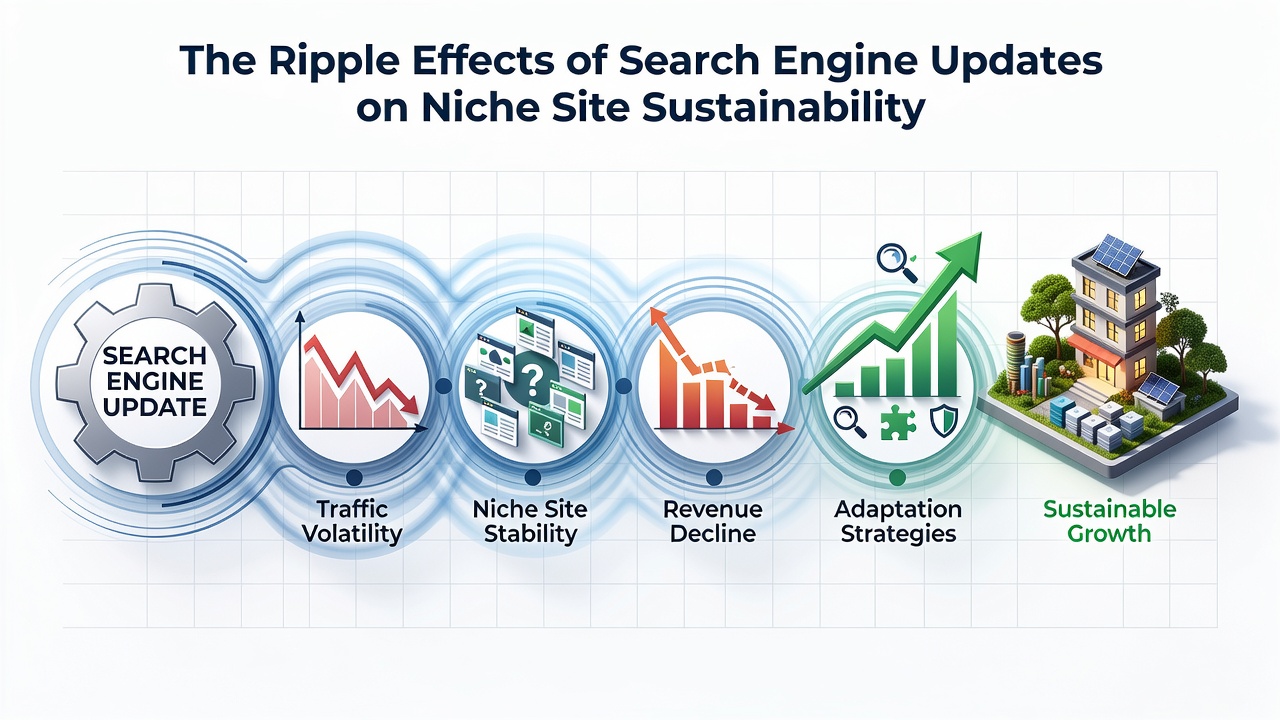
Studies compiled by academic groups at institutions such as the University of Melbourne have examined longitudinal datasets spanning multiple update cycles, revealing that sites maintaining consistent publishing schedules paired with strong internal linking structures recover faster than those relying solely on external acquisition tactics. Revenue models tied exclusively to search-driven impressions face compression when algorithmic weight shifts toward aggregated answers and featured elements that reduce click-through rates for source domains.
Adaptation Patterns Across Independent Operations
Operators respond to these dynamics by expanding content formats, strengthening technical infrastructure, and cultivating relationships with complementary platforms that provide alternative discovery routes. Figures from regulatory bodies including the Australian Competition and Consumer Commission highlight how smaller digital entities adjust operational frameworks to accommodate evolving visibility conditions without compromising specialized focus areas. Those who integrate structured data markup and enhance page experience signals often observe quicker rebounds in indexation rates compared with peers maintaining legacy configurations.
Case examinations demonstrate that certain hobby-focused domains shifted emphasis toward user-generated contributions and moderated discussion threads, which introduced new engagement layers capable of supporting algorithmic preferences for interactive elements. Such modifications allow sustained audience retention even during periods when core search referrals contract temporarily, illustrating practical responses to ranking volatility documented across multiple geographic markets.
Long-Term Viability Considerations
Sustainability hinges on monitoring emerging evaluation criteria and maintaining flexibility in content architecture that accommodates future refinements. Research compilations show niche sites achieving multi-year continuity when they balance depth in core subjects with regular audits of technical performance indicators such as load speed and mobile compatibility. External link acquisition strategies also evolve, with emphasis placed on relevance and diversity rather than volume alone, as engines refine their assessment of authority signals.
Conclusion
Search engine updates continue to exert measurable influence on niche site operations through modifications to ranking parameters that affect traffic stability and revenue predictability. Data accumulated across successive cycles demonstrates both contraction risks and recovery pathways available to operators who align practices with revised assessment frameworks. Ongoing observation of these patterns provides insight into how specialized platforms navigate an environment shaped by continuous algorithmic evolution.